Home Touch Steamers offer a convenient way to refresh and de-wrinkle garments, providing professional results at home․ Manuals are readily available online for models PS-200, PS-251, PS-300, and PS-350․
These steamers simplify fabric care, offering a gentle alternative to traditional ironing, and are supported by comprehensive instruction and warranty information․
What is a Home Touch Steamer?
Home Touch Steamers, like the PS-200, PS-251, PS-300, and PS-350 models, are portable garment care appliances utilizing steam to remove wrinkles․
Unlike traditional irons, these steamers don’t require direct contact with fabric, making them suitable for delicate materials․ They heat water to produce steam, which relaxes fabric fibers, effectively eliminating creases․
Available instruction manuals and warranty details, easily downloadable, guide users through setup, operation, and maintenance․ These steamers are designed for both home and commercial use, offering a convenient and efficient alternative to ironing․
Benefits of Using a Garment Steamer
Home Touch Steamers offer numerous advantages over conventional ironing; They are gentler on fabrics, reducing the risk of scorching or shine, and are ideal for delicate items․
Steamers quickly remove wrinkles, saving time and effort, and can refresh garments between washes, reducing laundry frequency․ Models like PS-200 to PS-350 are versatile, handling various fabrics․
Detailed user manuals provide guidance for optimal performance, while the warranty offers peace of mind․ Steamers are also excellent for sanitizing fabrics, eliminating odors and bacteria․
Understanding Your Home Touch Steamer Model
Home Touch Steamers come in various models – PS-200, PS-251, PS-300, and PS-350 – each with unique features․ Refer to your specific manual for details․
Identifying Your Specific Model (PS-200, PS-251, PS-300, PS-350)
Accurate model identification is crucial for accessing the correct instruction manual and warranty information․ Your Home Touch Steamer is either a PS-200, PS-251, PS-300, or PS-350․
Locate the model number typically found on a sticker affixed to the steamer’s base or body․ Online resources, like ManualsLib, offer downloadable manuals specifically tailored to each model․ Using the wrong manual could lead to improper operation or void your warranty․ Confirm your model before proceeding with setup or troubleshooting․
Key Components and Their Functions
Home Touch Steamers consist of several key parts․ The water tank holds the water for steam production․ A steamer head directs the steam onto fabrics․ Attachments, like brushes and creasers, enhance versatility;
The power switch initiates operation, and the unit requires a warm-up period․ Understanding each component’s role is vital for safe and effective use․ Refer to your model’s manual for detailed diagrams and specific function explanations, ensuring optimal performance and longevity․
Safety Precautions
Always follow grounding instructions to prevent shock․ Avoid burns from hot steam and surfaces․ Read the manual carefully before operating your Home Touch steamer․
Prioritize safety to ensure a trouble-free steaming experience and protect yourself from potential hazards․
Important Safety Instructions
Before using your Home Touch steamer, carefully read all instructions to reduce the risk of fire, electric shock, or injury․ Always operate the steamer on a stable, level surface․
Never leave the steamer unattended while it is plugged in or turned on․ Keep the steamer away from children and pets․ Do not immerse the steamer head or power cord in water․
Use caution when handling hot steam; it can cause burns․ Unplug the steamer when not in use and allow it to cool completely before storing․
Grounding Instructions
This Home Touch steamer is designed for use with a grounded electrical outlet․ If a grounding type plug is used, it must be properly inserted into a grounding outlet․
Do not modify the plug in any way; If an extension cord is necessary, use a heavy-duty extension cord rated for the steamer’s wattage․ Improper grounding can create a risk of electric shock․
Ensure the outlet is properly wired and grounded according to local electrical codes, as detailed in the provided manuals for PS-200, PS-251, PS-300, and PS-350․
Avoiding Burns and Scalds
Steam from your Home Touch steamer is extremely hot and can cause severe burns․ Never touch the steamer head or steam nozzle while in use or during cool-down․
Keep hands and body away from the steam path․ Use caution when steaming garments on a hanger, ensuring sufficient space․ Allow the steamer to cool completely before storing․
Refer to the PS-200, PS-251, PS-300, or PS-350 manual for specific warnings and safety guidelines to prevent injury during operation and maintenance;
Setting Up Your Steamer
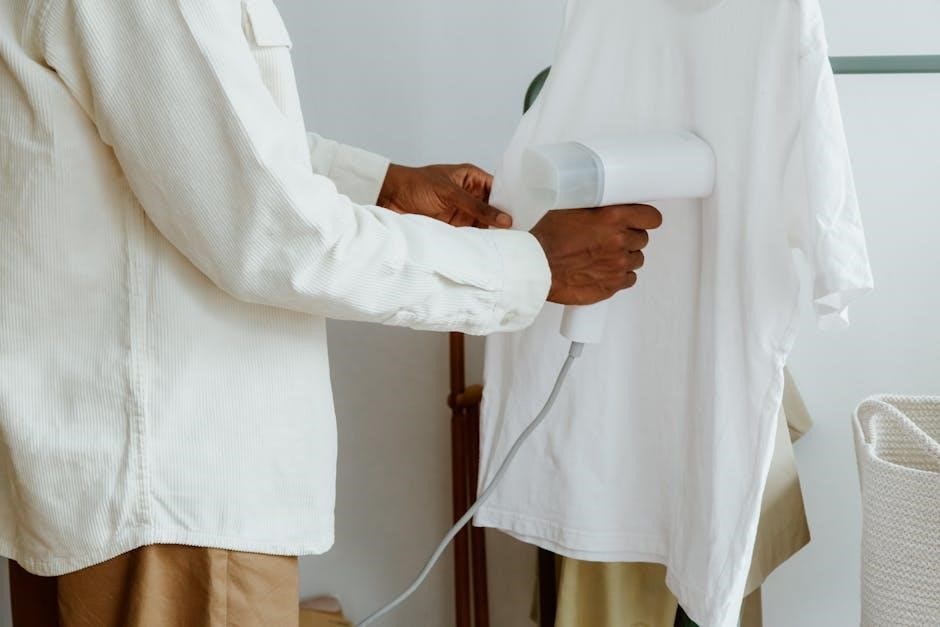
Proper setup is crucial for safe and effective steaming․ Fill the water tank with clean water, attach the desired steamer head, and ensure secure connections․
Power on the unit and allow for initial warm-up before use, consulting your PS-200, PS-251, PS-300, or PS-350 manual․
Filling the Water Tank
Before each use, carefully fill the water tank with clean, distilled or filtered water to avoid mineral buildup and ensure optimal steamer performance․ Do not overfill – observe the maximum fill line indicated on the tank․
Ensure the steamer is unplugged and cool before filling․ Gently pour water into the tank, avoiding spillage․ Using tap water may necessitate more frequent descaling, potentially impacting your warranty․ Refer to your specific model (PS-200, PS-251, PS-300, or PS-350) manual for detailed instructions and water type recommendations․
Attaching the Steamer Head and Accessories
Securely attach the steamer head to the main unit, ensuring it clicks firmly into place․ Different Home Touch models (PS-200, PS-251, PS-300, PS-350) may have slightly varying attachment mechanisms – consult your manual․
Accessories like the brush or creaser attachment connect similarly․ Always ensure a snug fit before powering on․ Incorrectly attached components can lead to steam leakage or malfunction․ Refer to the diagrams in your instruction manual for proper assembly and safe operation of your garment steamer․
Powering On and Initial Warm-Up
Plug your Home Touch steamer into a grounded outlet․ The power indicator light will illuminate․ Allow the unit to warm up – this typically takes between one and three minutes, depending on the model (PS-200, PS-251, PS-300, PS-350)․
Do not attempt to use the steamer before it has fully heated․ The manual indicates when the steamer is ready via the indicator light․ Initial steam may contain water droplets; direct the head away from fabrics during this phase for optimal results․
Using Your Home Touch Steamer
Effectively utilize your Home Touch steamer by preparing garments and selecting appropriate techniques for various fabrics․ Attachments like brushes and creasers enhance steaming performance․
Refer to the manual for specific guidance on achieving optimal wrinkle removal and fabric care․
Preparing Garments for Steaming
Before steaming, always check the garment’s care label for fabric content and recommended cleaning instructions․ Hang the garment on a sturdy hanger to allow steam to fully penetrate the fabric․ Ensure any closures, like buttons and zippers, are fastened to maintain the garment’s shape during the process․
For heavily soiled areas, pre-treat with a fabric refresher or stain remover․ Avoid overcrowding; steam one garment at a time for best results․ Delicate fabrics may require a protective pressing cloth․
Steaming Techniques for Different Fabrics
For delicate fabrics like silk or lace, use a lower steam setting and maintain a greater distance between the steamer head and the garment․ Cotton and linen can withstand higher heat and closer proximity for effective wrinkle removal․
Polyester and synthetic blends require moderate heat; test a small, inconspicuous area first․ Always move the steamer head continuously to prevent scorching․ Utilize attachments like the brush for thicker fabrics․
Using Attachments (Brush, Creaser, etc․)
The brush attachment gently loosens fabric fibers, ideal for thicker materials like wool or denim, enhancing steam penetration․ A creaser attachment provides sharp, defined lines for pants or skirts, offering a tailored finish․
Ensure attachments are securely fastened before use․ Experiment with different attachments to achieve optimal results on various garment types․ Refer to your model’s manual for specific attachment guidance and safety precautions․
Maintenance and Cleaning
Regular maintenance ensures optimal performance․ Drain the water tank after each use and periodically descale the steamer to prevent mineral buildup, extending its lifespan․
Cleaning the steamer head keeps steam output consistent and prevents clogging, as detailed in your user manual․
Draining the Water Tank
After each steaming session, it’s crucial to completely drain the water tank to prevent mineral buildup and prolong the life of your Home Touch steamer․ Ensure the steamer is unplugged and completely cool before beginning this process․
Locate the drain plug, typically found at the base or rear of the unit․ Gently remove the plug and allow all remaining water to drain into a suitable container․ Replace the plug securely after draining․
Regular draining prevents scaling and ensures optimal steam performance for future use, as outlined in your model’s instruction manual․
Cleaning the Steamer Head
Regularly cleaning the steamer head maintains optimal performance and prevents clogging․ Always unplug and cool the steamer completely before cleaning․ Use a damp cloth to wipe the exterior of the steamer head, removing any residue or mineral deposits․
For internal cleaning, gently flush the steam vents with distilled water, ensuring no water enters the electrical components․ Avoid abrasive cleaners, as they can damage the surface․
A clean steamer head ensures consistent steam output and extends the lifespan of your Home Touch garment steamer․
Descaling the Steamer (if applicable)
Mineral buildup can affect steam output; descaling removes these deposits․ If your water is hard, periodic descaling is recommended․ Mix a descaling solution (following product instructions) with water in the tank․
Run the steamer, allowing the solution to circulate, then flush with clean distilled water several times․ Repeat until no descaling solution remains․
Regular descaling maintains efficient performance and prolongs the life of your Home Touch steamer, ensuring consistent, powerful steam․
Troubleshooting Common Issues
Common problems include heating issues, leaks, and low steam output․ Refer to your model’s manual for specific solutions and ensure proper setup and maintenance․
Addressing these quickly ensures optimal performance and extends the steamer’s lifespan․
Steamer Not Heating Up
If your Home Touch steamer isn’t heating, first verify it’s properly plugged into a functioning outlet․ Check the power switch to ensure it’s in the ‘on’ position․
Low water levels are a frequent cause; refill the tank according to the manual’s instructions․ Inspect the unit for any visible damage to the power cord or heating element․
If the issue persists, consult the troubleshooting section of your specific model’s (PS-200, PS-251, PS-300, or PS-350) manual or contact Homedics customer support for assistance․
Water Leaking
Water leakage from your Home Touch steamer often indicates overfilling the water tank – do not exceed the maximum fill line․ Ensure the tank is securely attached and properly sealed before operation․
Inspect the steamer head and hose connections for any cracks or loose fittings․ A buildup of mineral deposits can also cause leaks; consider descaling (if your model supports it)․
Refer to your PS-200, PS-251, PS-300, or PS-350 manual for specific troubleshooting steps, and contact Homedics support if the leaking continues․
Steam Output is Low
Reduced steam output with your Home Touch steamer can stem from several causes․ Verify the water tank isn’t empty and the steam settings are appropriately adjusted for the fabric type․
Mineral buildup within the steamer can restrict steam flow; descaling, if your PS-200, PS-251, PS-300, or PS-350 model allows, is recommended․ Ensure the steamer head isn’t clogged with lint or residue․
Consult your manual for specific guidance and contact Homedics customer support if the issue persists despite these checks․
Warranty Information
Home Touch Steamers are backed by a warranty covering manufacturing defects․ Refer to your model’s (PS-200, PS-251, PS-300, PS-350) manual for specific coverage details and claim procedures․
Understanding Your Warranty Coverage
Your Home Touch steamer’s warranty, detailed in the instruction manual for models PS-200, PS-251, PS-300, and PS-350, protects against defects in materials and workmanship․ Coverage duration varies by model and purchase date․
The warranty typically does not cover damage from misuse, accidents, or unauthorized repairs․ Keep your proof of purchase for warranty claims․ Carefully review the manual’s terms and conditions to understand what is specifically covered and excluded, ensuring a smooth claim process if needed․
How to Make a Warranty Claim
To initiate a warranty claim for your Home Touch steamer (PS-200, PS-251, PS-300, or PS-350), first locate your original proof of purchase․ Contact Homedics Customer Support – details are in the manual․
Be prepared to provide your model number, purchase date, and a detailed description of the defect․ You may need to ship the steamer, with all original packaging, to a designated service center․ Review the instruction manual for specific claim procedures and shipping instructions․
Storage and Care
Proper storage involves draining the water tank completely after each use to prevent scale buildup․ Store your Home Touch steamer in a cool, dry location․
Regular care extends the steamer’s life and ensures optimal performance for years to come․
Proper Storage Techniques
To maximize the lifespan of your Home Touch steamer, diligent storage is crucial․ Always ensure the water tank is completely drained after each steaming session; residual water can lead to mineral deposits and internal corrosion․
Coil the steam hose neatly and avoid sharp bends that could damage it․ Store the steamer itself in a cool, dry place, away from direct sunlight and extreme temperatures․ Protecting it from dust with a cloth or its original packaging is also recommended․
Proper storage prevents malfunctions and maintains peak performance․
Extending the Life of Your Steamer
Regular maintenance is key to a long-lasting Home Touch steamer․ Descale the unit periodically, especially if you use hard water, to prevent mineral buildup that hinders steam production and damages internal components․
Clean the steamer head after each use to remove fabric residue․ Avoid using harsh chemicals; a damp cloth is usually sufficient․ Inspect the hose for cracks or leaks and address them promptly․
Following these steps ensures optimal performance and prevents premature wear and tear, maximizing your investment․
Advanced Steaming Techniques
Beyond garments, Home Touch steamers excel at refreshing curtains and upholstery․ Use caution with delicate fabrics, testing a small area first for optimal results․
Mastering these techniques expands your steamer’s versatility and simplifies household fabric care;
Steaming Curtains and Upholstery
Revitalize your home décor with your Home Touch steamer! For curtains, steam from top to bottom, maintaining a safe distance to prevent water spots․ Test an inconspicuous area first․
Upholstery benefits from a similar approach; use the brush attachment for gentle, even steam distribution․ Avoid over-saturation, and always check fabric care labels․ Remember to allow sufficient drying time after steaming․ This method effectively removes odors and wrinkles, extending the life of your fabrics, offering a fresh, clean appearance without harsh chemicals․
Removing Wrinkles from Delicate Fabrics
Handle delicate fabrics with care using your Home Touch steamer․ Utilize the lowest steam setting and maintain a greater distance – approximately 6-8 inches – to prevent damage․
Consider using a diffuser attachment, if available, for even gentler steam distribution․ Always test on an hidden seam first! Silk, lace, and rayon require extra caution․ Avoid prolonged exposure to steam․ The goal is to relax wrinkles, not saturate the material, preserving the fabric’s integrity and beauty․

Frequently Asked Questions (FAQ)
Common questions regarding Home Touch Steamers often involve troubleshooting steam output, water leakage, and proper maintenance․ Refer to your model’s manual for detailed answers․
Optimal performance relies on using distilled water and regularly descaling the unit, ensuring longevity and efficient wrinkle removal․
Common Questions About Home Touch Steamers
Many users inquire about the best water type for their Home Touch steamer; distilled water is consistently recommended to prevent mineral buildup and prolong the steamer’s life․ Another frequent question concerns troubleshooting low steam output – ensuring the tank is full and the unit is properly warmed up are key․
Concerns about water leakage often stem from an overfilled tank or a loose connection․ Finally, users frequently ask where to find model-specific manuals; these are readily available online for PS-200, PS-251, PS-300, and PS-350․
Tips for Optimal Performance
To maximize your Home Touch steamer’s efficiency, always use distilled water to minimize scale buildup, ensuring consistent steam flow․ Regularly drain the water tank after each use to prevent corrosion and maintain optimal function․ For best results, pre-treat stubborn wrinkles with a light mist of water before steaming․
Refer to your model’s (PS-200, PS-251, PS-300, or PS-350) manual for specific fabric recommendations and attachment usage․ Consistent cleaning, as outlined in the manual, will also extend the steamer’s lifespan․
Model-Specific Instructions
Detailed guidance is available for each Home Touch steamer model – PS-200, PS-251, PS-300, and PS-350 – ensuring users can access tailored instructions and troubleshooting tips․
Consult your specific model’s manual for optimal performance and safety procedures․
Homedics PS-200 Specifics
The Homedics PS-200, a commercial garment steamer, requires careful attention to grounding instructions as detailed in its manual․ Users should download the optimized instruction manual and warranty information for comprehensive guidance․
This model is designed for professional use, so understanding its features and proper operation is crucial․ The manual provides specific details on filling the water tank, attaching accessories, and achieving optimal steaming results․ Always refer to the official documentation for safe and effective use, ensuring longevity and performance․
Homedics PS-251 Specifics
The Homedics PS-251, a “Perfect Steam Deluxe” model, also benefits from a downloadable instruction manual and warranty information․ This resource is vital for understanding its specific functionalities and ensuring safe operation․
Users should familiarize themselves with the detailed instructions for use, covering everything from initial setup to troubleshooting․ The manual provides guidance on achieving professional garment care, maximizing steam output, and maintaining the unit for long-term reliability․ Accessing the manual via ManualsLib is recommended․
Homedics PS-300 Specifics
The Homedics PS-300, designated “Perfect Steam PRO,” is a commercial garment steamer with a readily available instruction manual and warranty details․ This model’s manual emphasizes proper grounding instructions for safe operation, a crucial aspect for commercial use․
Users can download the comprehensive guide, covering all aspects of the steamer, from setup and operation to maintenance․ It’s a 11-page document detailing features and ensuring optimal performance of this professional-grade appliance․ Accessing the PDF is highly recommended․
Homedics PS-350 Specifics
The Homedics PS-350, labeled “Perfect Steam Professional Commercial Garment Steamer,” boasts a downloadable instruction manual and warranty information․ This model is designed for robust, frequent use, making the manual a vital resource for maintaining peak performance․
Users can readily access an optimized version of the manual online․ It provides detailed guidance on operation, safety, and troubleshooting, ensuring a long lifespan and efficient steaming for professional environments or heavy home use․

Contact Information
For Homedics customer support and additional resources regarding your Home Touch steamer, consult the official Homedics website or the documentation included with your model․
Direct assistance is available to address any questions or concerns about operation, warranty claims, or troubleshooting․
Homedics Customer Support
To reach Homedics Customer Support for assistance with your Home Touch steamer (PS-200, PS-251, PS-300, or PS-350), it’s best to visit the official Homedics website․ There, you’ll find a dedicated support section with frequently asked questions and troubleshooting guides․
You can also typically find contact information, such as a phone number or email address, for direct communication with a customer service representative․ Ensure you have your model number and purchase date readily available when contacting support to expedite the process․ Warranty inquiries should also be directed through their official channels․
Where to Find Additional Resources
Beyond the official Homedics website, several online platforms host user manuals and warranty information for Home Touch steamers (PS-200, PS-251, PS-300, PS-350)․ ManualsLib is a valuable resource, offering downloadable instruction manuals for various models․
Searching online using specific model numbers alongside “instruction manual” or “warranty information” will yield further results․ Remember to verify the source’s credibility before relying on information found outside the official Homedics site to ensure accuracy and safety․